

Gabby’s Light
Gabby’s Light is our blog focused on shining a light on domestic violence through survivor stories and informational articles.
Gabby’s Light also shines on valuable information for those with missing loved ones and highlights ways the community can offer support.
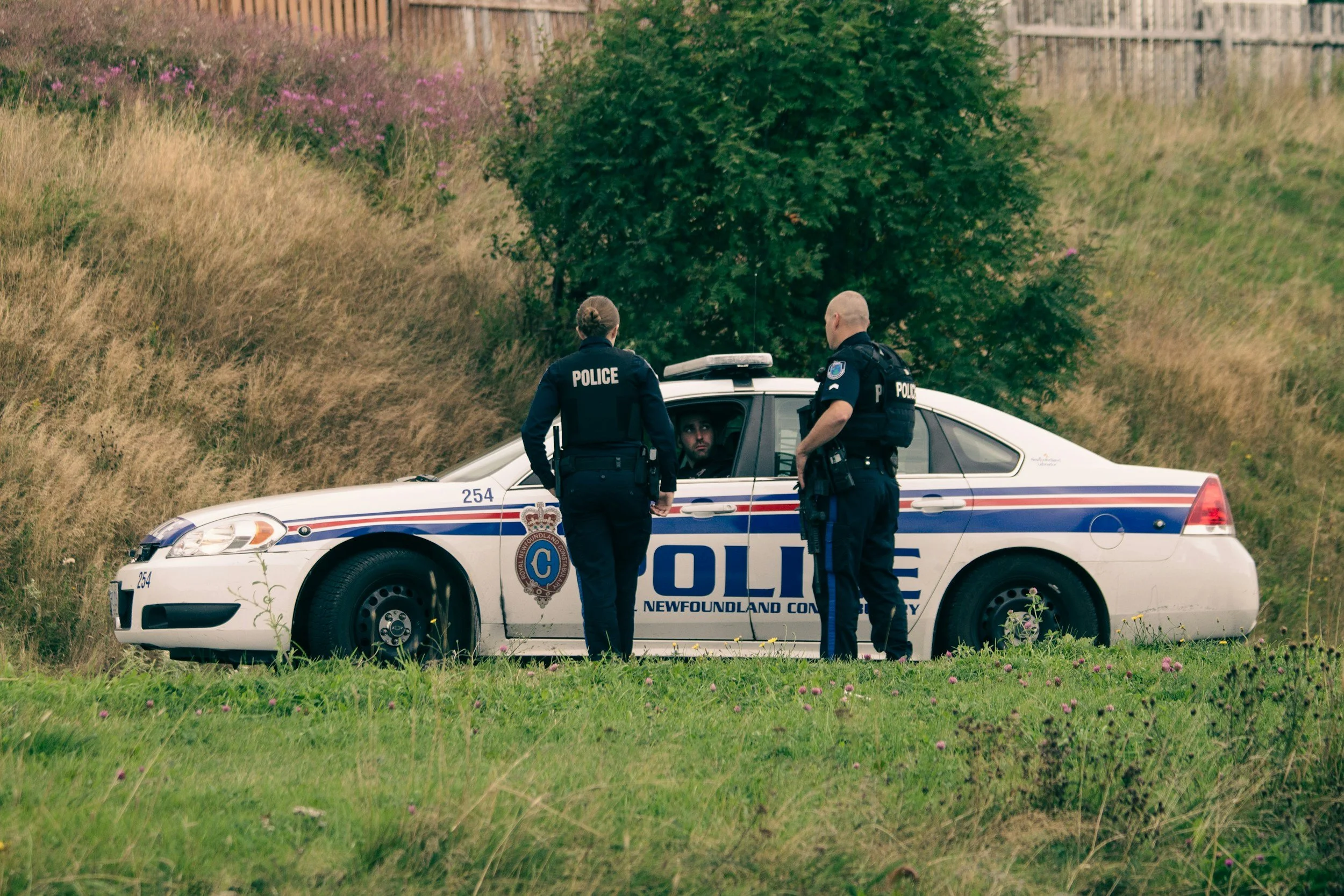
When Does a Situation Become a Police Matter?
One of the most common and most difficult questions people in domestic violence situations ask themselves is this: When is it serious enough to involve law enforcement?

How to Document Concerning Behavior Before It Escalates
When something feels off in a relationship, the hardest part is often not the behavior itself. It is often the lack of clarity around it that makes people feel unstable or uncertain about whether what they’re experiencing is abusive.

Women’s History Month Ends — The Work Does Not
Women’s History Month is a time to recognize progress, leadership, and impact.
It highlights the individuals and movements that have reshaped laws, expanded rights, and changed how society understands safety, autonomy, and equality.

What Really Happens When You Report a Missing Person
When someone goes missing, every moment feels uncertain.
Questions come fast — what should you do, who should you contact, and how does the process actually begin? Understanding what happens after a report is made can help bring structure to a chaotic situation.

Why Things Often Get Worse After Conflict in Unhealthy Relationships
Conflict doesn’t always resolve things. In some relationships, it escalates them.
What begins as a disagreement can become a turning point, not toward clarity and resolution, but rather toward increased tension, control, or instability.

Why Apologies Can Feel So Convincing in Unhealthy Relationships
After a difficult moment in any relationship, an apology can feel like relief.
The tone softens. The tension drops. There’s acknowledgment — sometimes even a period of time where things feel wonderful. This is the “honeymoon phase.”

Why It Feels Good Sometimes — Even in Unhealthy Relationships
One of the most confusing parts of an unhealthy relationship is this:
It isn’t always bad. There are moments of closeness. Moments of calm. Moments where everything feels normal (or even better than normal).

Relationship Questions People Ask, But Don’t Say Out Loud
Not every concern about a relationship is easy to voice.
Sometimes the questions stay internal. They sound small. They feel uncertain. Nonetheless, sometimes the silent questions that never leave your mind and heart are the ones most worth paying attention to.

Why Patterns Matter More Than Single Moments in Relationships
When people try to make sense of a relationship, they often look for a defining moment. A specific argument. A clear line that was crossed. Something they can point to and say, “That’s when I knew.”
But, in reality, many unhealthy relationships don’t operate that way.

If You Feel Like You’re “Too Much” in Your Relationship
If you find yourself apologizing often…Re-explaining your intentions…Replaying conversations to figure out what you did wrong…
It’s worth paying attention to that pattern.

The Subtle Myths That Keep People in Unhealthy Relationships
Not all harmful relationship dynamics are sustained by obvious red flags. Some are sustained by beliefs — ideas that sound reasonable, even romantic, but quietly normalize instability, control, or emotional harm.
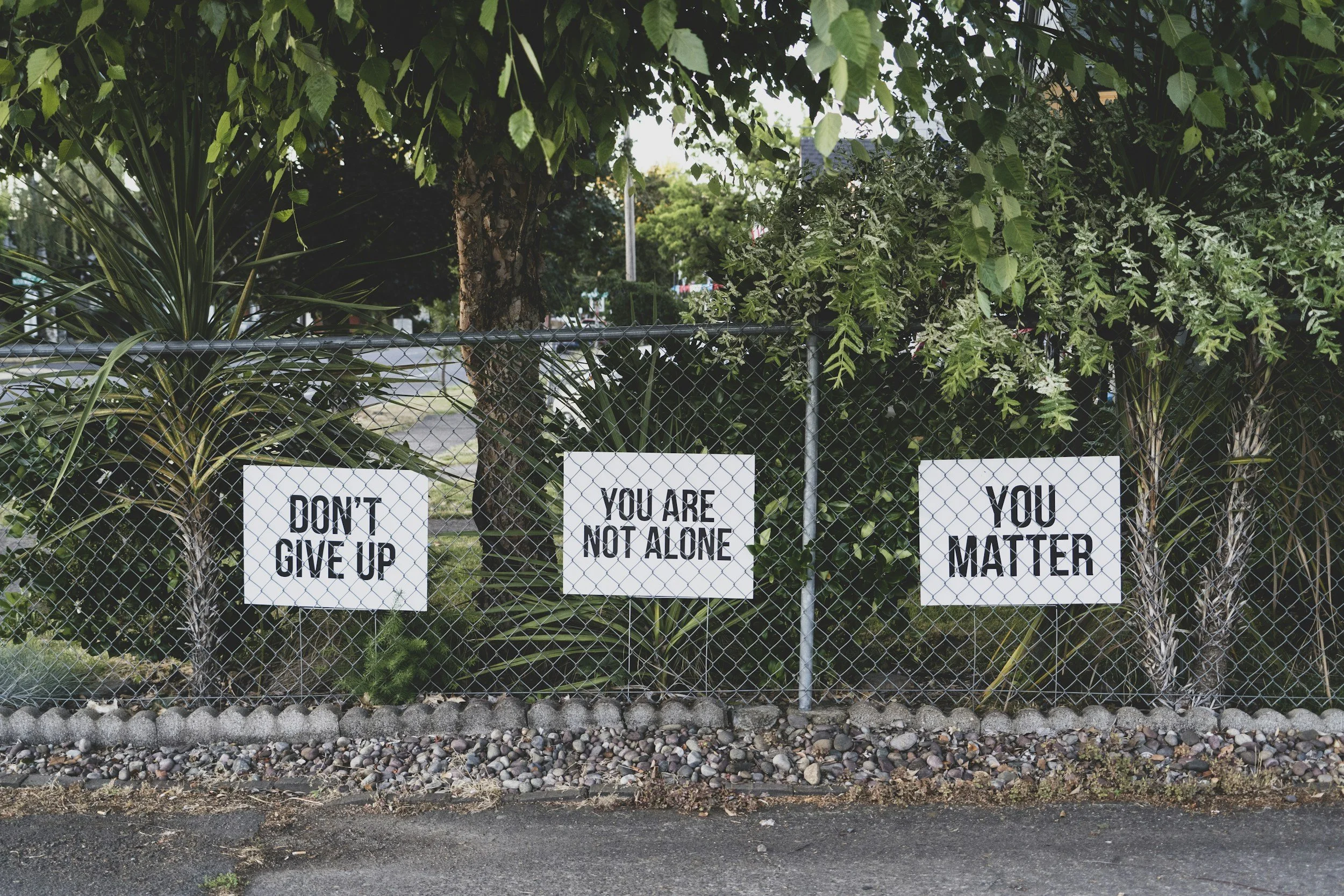
Why Domestic Violence Prevention Must Start Earlier Than We Think
Most public conversations about domestic violence begin after something catastrophic has already happened. After a missing persons report. After a hospital visit. After an arrest.

The Quiet Risk of Rapid Escalation in New Relationships
Not every unsafe relationship begins slowly. Some begin intensely. Constant texting. Immediate future plans. Pressure to define the relationship quickly. Statements like “I’ve never felt this way before” within days or weeks.
When You’re Not Sure If It’s Abuse: Trusting the “Something Feels Off” Moment
Not every unsafe relationship begins with something dramatic. There may be no shouting. No threats. No visible evidence. Just a persistent, quiet feeling that something isn’t right. That feeling in and of itself is important.

Women’s History Month Is Also a Call to Protect Women
March is Women’s History Month — a time to celebrate resilience, leadership, and progress. But it’s also a time to confront a reality that still impacts millions of women and families across the United States: domestic violence remains one of the most urgent public safety and public health issues of our time.

Why Emotional Abuse Is So Hard to Prove — and Why That Doesn’t Make It Less Real
When people think about abuse, they often think about evidence. Bruises. Police reports. Witnesses. Clear moments that can be pointed to and documented.

What Is Coercive Control? The Pattern That Often Comes Before Escalation
When people think about abusive relationships, they often picture visible harm — yelling, threats, or physical violence.

Why Control Often Shows Up as “Concern” in Young Relationships
In early relationships — especially for teens and young adults — control rarely looks like control at first. It shows up as concern. It looks like care, shows up as someone wanting to be involved, protective, or emotionally invested.

What to Notice When a Teen Doesn’t Say Anything But Something Has Changed
Teens don’t always tell adults when something is wrong in a relationship. Often, they don’t have the words to explain what’s occurring, or they’re unsure whether what they’re experiencing “counts” as a problem.

If You’re a Teen and Something Feels Off in Your Relationship, Pay Attention
A lot of teens worry about overreacting when something in a relationship doesn’t feel right. They tell themselves they’re being dramatic, inexperienced, or too sensitive. They wonder if what they’re feeling is just normal relationship stress.
Share Your Story – Become a Blog Contributor
Do you have a survivor story to share? Have you experienced the pain of a missing loved one? Your voice matters. We are looking for contributors to share personal experiences, insights, and advocacy efforts related to domestic violence and missing persons.
By sharing your story, you can help raise awareness, inspire others, and be a part of meaningful change. If you're interested in contributing to our blog, please reach out—we’d love to hear from you.
Use contact form here or Email us at: info@gabbypetitofoundation.org. Subject: Blog